Top 5 JDM Soft Plastic Baits
American soft plastics are designed to survive. They're tough, durable, made to withstand multiple fish and hold up on a hook. That's a practical choice when you're burning through packs of Senkos during a tournament.

Quick Answer
- Japanese soft plastics are formulated differently from American baits -- higher salt content, softer materials, and more detailed molding produce baits that feel and move more naturally in the water.
- The Issei Shizumi Mushi won the 2024 Lure Magazine Tackle of the Year (T.O.Y.) Soft Lure category, beating long-standing favorites with its unique sinking-bug design.
- Gary Yamamoto's Senko remains the best-selling soft bait in Japan despite being over two decades old -- proof that a perfect design doesn't need reinvention.
- JDM soft plastics typically cost ¥770-1,100 ($5-7) per pack, comparable to American soft plastics, making them the most accessible entry point into JDM tackle.
American soft plastics are designed to survive. They're tough, durable, made to withstand multiple fish and hold up on a hook. That's a practical choice when you're burning through packs of Senkos during a tournament.
Japanese soft plastics are designed to die. They're softer, more fragile, and more lifelike because the goal isn't longevity -- it's convincing a pressured bass that the thing in front of it is actually alive. Japanese anglers accept that they'll go through more baits per trip. The trade-off is more bites.
That philosophy difference explains everything about why JDM plastics feel different in your hand. They're softer. More elastic. More detailed. And on waters where bass have seen every Zoom and Strike King in the tackle aisle, that difference catches fish.
We ranked these based on Lure Magazine T.O.Y. results, Rakuten sales data, Japanese tournament usage rates, and feedback from anglers who fish both JDM and domestic plastics.
1. Issei Shizumi Mushi 2.2" / 2.6" (一誠 沈み蟲)
Best For: Slow-sinking bug presentations in shallow water
The Shizumi Mushi ("Sinking Bug") claimed the 2024 T.O.Y. Soft Lure crown, and it earned the title. This compact, bug-shaped bait fills a niche that didn't exist in American bass fishing until Japanese anglers created it: the slow-sinking surface/subsurface insect.
Cast it on a weightless wide-gap hook, let it hit the water, and watch. The legs flutter as the bait sinks at roughly 1 foot per second. That flutter is the trigger. Bass that are positioned high in the water column -- looking up but not committed to a surface strike -- absolutely destroy this bait on the fall.
The technique is simple: cast, let sink, twitch once or twice, let sink again. Patience pays. Issei founder Norihito Murakami designed the Shizumi Mushi specifically for the high-pressure, clear-water conditions of Japanese reservoirs, and it translates directly to any pressured American fishery.
Pros:
- 2024 T.O.Y. winner -- voted best soft bait by thousands of Japanese anglers
- Unique sinking-bug action fills a gap no other bait covers
- Dead-simple technique: cast and let it work
Cons:
- Soft material tears easily -- 2-3 fish per bait is typical
- Requires patience and confidence in the slow approach
- Limited effectiveness in deep water or heavy current
Price: ¥770 ($5) per 8-pack (2.2") | ¥770 ($5) per 6-pack (2.6") Available from JDM dealers and Rakuten
2. Gary Yamamoto Senko 5" (ゲーリーヤマモト センコー 5インチ)
Best For: The single most versatile soft bait in existence
The Senko is the best-selling soft plastic in Japanese bass fishing history. It's been the go-to confidence bait for over 20 years, and its T.O.Y. rankings remain consistently high despite being older than many of the anglers who fish it.
What makes the Senko work is its salt-impregnated formulation. The heavy salt load gives the bait a dense, horizontal flutter on the fall that no competitor has successfully copied. It sinks at roughly the perfect speed for triggering reaction strikes from suspended bass.
The JDM Senko lineup includes exclusive colors not available in the U.S. market. Some Japanese anglers insist the JDM salt blend produces a subtly different action from the U.S. version. Whether true or not, the JDM color selection alone justifies seeking out the Japanese version.
Rig it wacky (hook through the middle), Neko (nail weight in the nose), Texas (weedless), or weightless -- every rig catches fish.
Pros:
- 20+ years of proven performance -- the most trusted soft bait in bass fishing
- Works on every rig imaginable
- JDM-exclusive colors and potentially different salt formulation
Cons:
- Extremely fragile -- tears after 1-2 fish on wacky rigs
- High consumption rate increases per-trip cost
- Falls apart quickly in warm water
Price: ¥880 ($6) per 10-pack Available from all JDM dealers, Amazon.co.jp, and most U.S. retailers
3. Keitech Swing Impact / Swing Impact FAT (ケイテック スイングインパクト)
Best For: Shad-tail swimming presentations and trailer use
Keitech's Swing Impact is the standard by which all Japanese shad-tail swimbaits are measured. The bait's tail generates a tight, rhythmic swimming action at any speed -- a level of action consistency that cheaper swimbaits can't match.
The secret is in Keitech's squid-based scent formula and the specific softness of the plastic. The material is soft enough to produce constant tail movement but structured enough to maintain its shape through repeated casts. That balance of softness and durability is what Japanese plastic engineers obsess over.
The FAT version has a wider body profile that displaces more water and creates a more pronounced swimming action. It's the better choice for murky water or when bass are keying on larger baitfish profiles.
Use the Swing Impact on a jighead for open-water swimming, as a trailer on spinnerbaits and chatterbaits, or Texas-rigged through sparse grass.
Pros:
- Industry-standard swimming action -- tight, consistent, reliable
- Squid-based scent formula provides genuine attractant
- Versatile across jighead, trailer, and Texas rig applications
Cons:
- Head tears easily when rigged on jigheads
- Scent can be overpowering on hands
Price: ¥770 ($5) per 8-pack (3.5") | ¥770 ($5) per 6-pack (4.5") Available from Tackle Warehouse and JDM dealers
4. Issei Bibibi Bug 3.5" (一誠 ビビビバグ)
Best For: Flipping, punching, and bottom-contact presentations
The Bibibi Bug is Issei's compact creature bait designed for heavy cover applications. Its multiple appendages create intense micro-vibration during the fall and on bottom contact -- the "bibibi" (ビビビ) onomatopoeia in the name refers to the buzzing, trembling sensation those appendages produce.
Japanese tournament anglers use the Bibibi Bug for flipping into laydowns, punching through matted vegetation, and Jika Rig presentations where bottom contact triggers the bait's action. The compact 3.5" profile is perfect for the finesse flipping style that dominates Japanese tournament fishing.
The material is pure Issei -- soft, supple, heavily salted. It tears relatively quickly, but the action during its short life is superior to tougher creature baits that survive longer but catch fewer fish.
Pros:
- Intense appendage vibration during fall and bottom contact
- Compact profile ideal for finesse flipping
- Effective on Jika Rig, Texas Rig, and punch rig
Cons:
- Soft material means short bait life
- Compact size may not attract attention in open water
Price: ¥770 ($5) per 8-pack Available from JDM dealers and Rakuten
5. Gary Yamamoto Cut Tail 3.5" (ゲーリーヤマモト カットテール 3.5インチ)
Best For: Drop shot, Neko Rig, and finesse worm presentations
The Cut Tail is the Senko's quieter cousin. Where the Senko excels on wacky rigs and weightless presentations, the Cut Tail dominates on drop shot and Neko Rig -- the two most important finesse techniques in Japanese finesse fishing.
The flat, angled tail creates a subtle wobbling action on the fall and during micro-shakes. It's not dramatic. It's not flashy. It's the kind of understated, natural movement that pressured bass can't resist because it looks like the real thing -- a small worm or leech going about its business.
The 3.5" size is the Japanese standard for finesse worm fishing. It's small enough to draw strikes from wary fish but substantial enough to feel on the hook set. The same salt-heavy Gary Yamamoto formulation gives it density and fall rate that lighter plastics can't match.
Pros:
- Best-in-class drop shot and Neko Rig bait
- Subtle, natural action that doesn't spook pressured fish
- Gary Yamamoto salt formulation provides ideal weight and density
Cons:
- Even more fragile than the Senko
- Limited effectiveness as a standalone bait (best on finesse rigs)
Price: ¥880 ($6) per 10-pack Available from JDM dealers, Amazon.co.jp, and most U.S. retailers
JDM vs. American Soft Plastics: The Key Differences
| Feature | JDM Plastics | American Plastics |
|---|---|---|
| Material softness | Softer, more supple | Firmer, more durable |
| Salt content | Higher (adds weight and action) | Lower or none |
| Mold detail | Finer, more realistic | Functional but less detailed |
| Durability | 1-3 fish per bait typical | 5-10+ fish per bait |
| Scent | Often formulated (squid, shrimp) | Usually injected post-mold |
| Cost per pack | ¥770-1,100 ($5-7) | $4-8 |
| Philosophy | Maximize action, accept fragility | Balance action and durability |
For the full breakdown of these material differences, see our JDM soft plastic comparison.
Best Rigs for JDM Soft Plastics
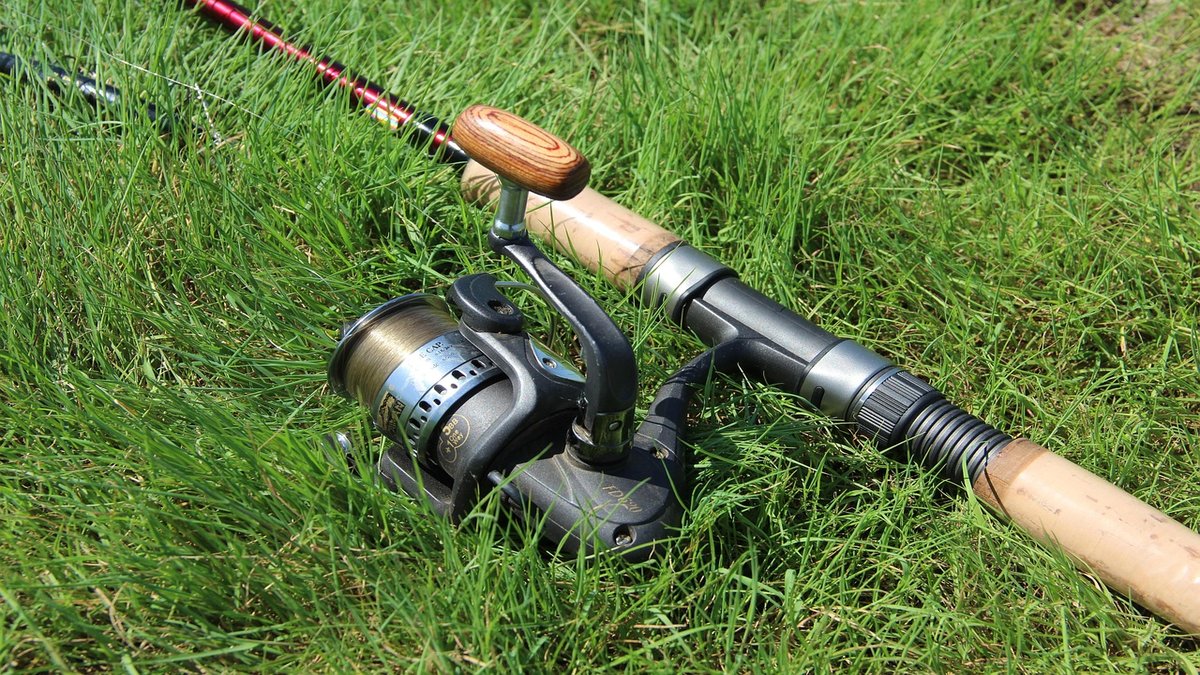
Japanese anglers have developed specific rigging techniques to maximize the action of these softer materials:
- Neko Rig -- Nail weight in the nose, hook through the body. The soft plastic undulates naturally on the shake.
- Free Rig -- Weight slides freely on the line. The soft bait falls and floats independently of the weight.
- Jika Rig -- Direct bottom contact with a free-swinging bait. Ideal for Bibibi Bug-style creature baits.
- Wacky Rig -- Hook through the middle. The heavy salt content of JDM plastics gives them a perfect horizontal flutter.
- Drop Shot -- Fixed-distance bottom presentation. Cut Tail and similar finesse worms excel here.
Frequently Asked Questions
Why are Japanese soft plastics so fragile?
Japanese plastic engineers prioritize action over durability. Softer material produces more lifelike movement in the water but tears more easily. Japanese anglers consider 1-3 fish per bait acceptable because the higher bite rate compensates for the higher consumption rate.
Can I use JDM soft plastics on American bass?
Absolutely. Bass are bass regardless of country. JDM plastics are particularly effective on pressured American waters where bass have seen every domestic bait. The softer, more natural action can trigger bites when standard plastics get refused.
What's the best JDM soft plastic to try first?
The Gary Yamamoto Senko 5". It's available everywhere (including U.S. retailers), works on every rig, and the JDM version introduces you to the Japanese approach without requiring new technique knowledge. After the Senko, try the Issei Shizumi Mushi for a purely Japanese design.
How should I store JDM soft plastics?
Keep them in their original packaging. Many JDM plastics use different formulations that can react with other brands' materials. The heavy salt content in Gary Yamamoto products, in particular, will damage other plastics if stored together. Keep brands separated.
Where can I buy authentic JDM soft plastics?
JDM Tackle Heaven, Ichiban Tackle, and Amazon.co.jp all ship JDM plastics internationally. Gary Yamamoto products are widely available in U.S. tackle shops. See our full purchasing guide.
Related Reading
- Japanese Soft Plastic Baits: Why JDM Plastics Are Different
- Neko Rig vs. Wacky Rig: What Japanese Anglers Actually Prefer
- The Free Rig: Japan's Answer to the Texas Rig
-- The JDM Fishing Team